Consumer-Directed Care: More Choice and Control Over Who Provides Care
Home Care Options, Consumer-Directed Care, Medicaid
When a family starts looking into home care, the fear is almost always the same: a stranger at the door, a rotating cast of faces, no one who really knows Mom. It doesn't have to be that way.
Consumer-directed care — sometimes called self-directed care, or known as CDPAP in some states — flips the usual model. Instead of an agency assigning whoever's available, the person receiving care (or a family representative) chooses their own caregiver. Often that's someone they already love.
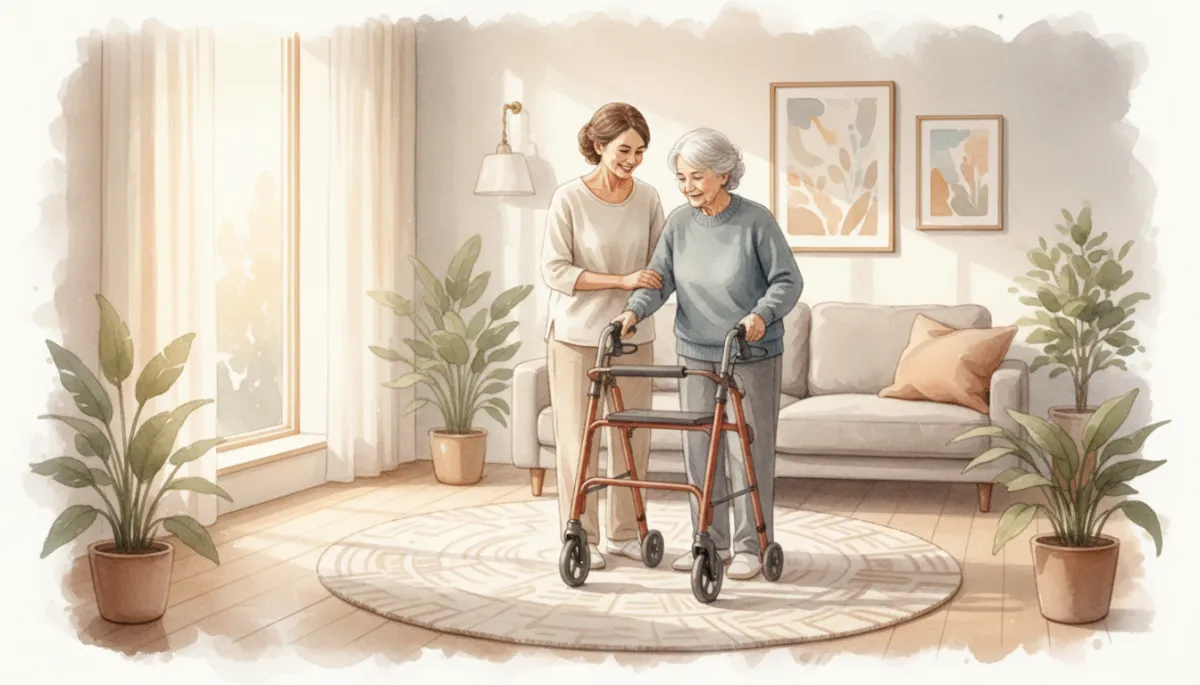
Consumer-directed care lets you choose your own caregiver — How it works, who it's for, and how to start.
For many people who need help at home, the most important question is not just what services they receive, but who provides that care. Consumer-directed care, also known as self-directed care or CDPAP in some states, is a growing home care option that puts this choice directly in the hands of the person receiving services and their family.
What Is Consumer-Directed or Self-Directed Care?
In a traditional agency model, the agency picks and schedules the caregiver. In a consumer-directed model, you do. The person receiving Medicaid-funded care chooses who provides it and stays in control of the day-to-day, while the program funds the hours and a partner like Care at Home handles enrollment, payroll, and compliance behind the scenes. The caregiver can often be a family member, friend, or trusted neighbor.
Consumer-directed care is a model of home care in which the person receiving services (or their representative) has the authority to choose, hire, and often train their own caregiver. Instead of an agency assigning a home health aide, the individual can select a trusted family member, friend, or neighbor—someone who already understands their routines, preferences, and personality—to provide day-to-day support at home.
In many states, this approach is also called self-directed care or, in New York and a few other regions, the Consumer Directed Personal Assistance Program (CDPAP). While program names vary, the core idea remains the same: the individual directs their own care and has meaningful caregiver choice.
How Consumer-Directed Care Works in Practice
Although details differ by state, most consumer-directed care programs follow a similar structure. Once a person is approved for home care services, they receive an authorized number of hours per week based on their needs. Instead of an agency sending staff, the individual or their designated representative:
Selects a caregiver – often a family member, close friend, or other trusted person who meets program requirements.
Oversees scheduling – deciding when and how often the caregiver comes, within the approved hours.
Directs day-to-day tasks – guiding the caregiver on personal care, household tasks, and other supports needed.
A third-party organization, sometimes called a fiscal intermediary or financial management service, typically handles payroll, taxes, and benefits for the caregiver. This means the caregiver can be paid through the program, while the person receiving services maintains control over who is providing care and how it is delivered. This structure makes consumer-directed care a flexible and practical addition to today’s home care options.
Who Is Consumer-Directed Care For?
Consumer-directed care is designed for individuals who need help with daily activities but wish to remain in their own homes and maintain as much independence as possible. It can be a good fit for:
Older adults who need assistance with bathing, dressing, meals, or mobility.
Adults with disabilities who prefer to direct their own supports and remain active in the community.
Individuals with chronic illnesses who require ongoing, non-medical support at home.

People using these programs must be able to make decisions about their care or have a responsible representative—often a family member—who can act on their behalf. This ensures that the person’s preferences are respected while daily care remains safe and well organized.
Consumer-directed care offers a powerful way to align services with what matters most to individuals and their families—trust, familiarity, and control. By combining flexible home care options with the financial support of Medicaid, these programs help people remain safely at home while compensating the loved ones who stand by their side every day. For many, it is an approach that brings dignity, stability, and genuine partnership back into the caregiving experience.
Why Families Choose Consumer-Directed Care
Families are increasingly drawn to consumer-directed and self-directed care models because they offer meaningful caregiver choice and greater peace of mind. Some of the most common reasons include:
Trusted support: Familiar caregivers can reduce anxiety, especially for people with dementia or cognitive changes.
Consistent care: The same caregiver provides personalized support and dependable routines.
Paid family caregiving: Eligible relatives may receive compensation for the care they already provide.
Cultural connection: Families can choose someone who understands their language, values, and traditions.
This flexible care model recognizes caregiving as valuable work, helps loved ones receive comfortable home care, and reduces caregiver burnout. The Experts at Care at Home can help you determine eligibility, explore your options, and establish a reliable payment structure.
Medicaid Eligibility and Program Access
Most consumer-directed care programs are funded through Medicaid. This means that Medicaid eligibility is often a key requirement for participation. In general, an individual must:
Qualify financially for Medicaid in their state, based on income and assets.
Meet clinical criteria showing that they need assistance with activities of daily living, such as bathing, dressing, or transferring.
Because rules vary, it is important to speak with a local Medicaid office, care manager, or home care agency familiar with home care options and self-directed programs in your area. Some states also offer consumer-directed services through Medicaid waiver programs or managed long-term care plans.
How to Get Started with Consumer-Directed Care
Getting started typically involves a few simple steps:
Confirm Medicaid eligibility: Review the financial and medical requirements for your state.
Request a home care assessment: Determine the level of support needed and the number of care hours that may be approved.
Explore self-directed care programs: Ask about consumer-directed options, including CDPAP where available.
Choose a caregiver: Select an eligible family member or trusted friend to provide care.
Once approved, the caregiver completes the required paperwork and training, while a fiscal intermediary manages payroll.
The first step is finding out whether your loved one qualifies. It takes about two minutes, and the Experts at Care at Home will guide you from there. We currently serve families in Michigan and Oregon.